

Outlook
Automation will reach this industry. It cannot skip the operating layer.
Container businesses are being asked to adopt AI and robotics. Most still take orders by phone. Those that digitise quoting, booking, and status now will be able to attach yard vision, sensors, and automation later, without rebuilding the firm.
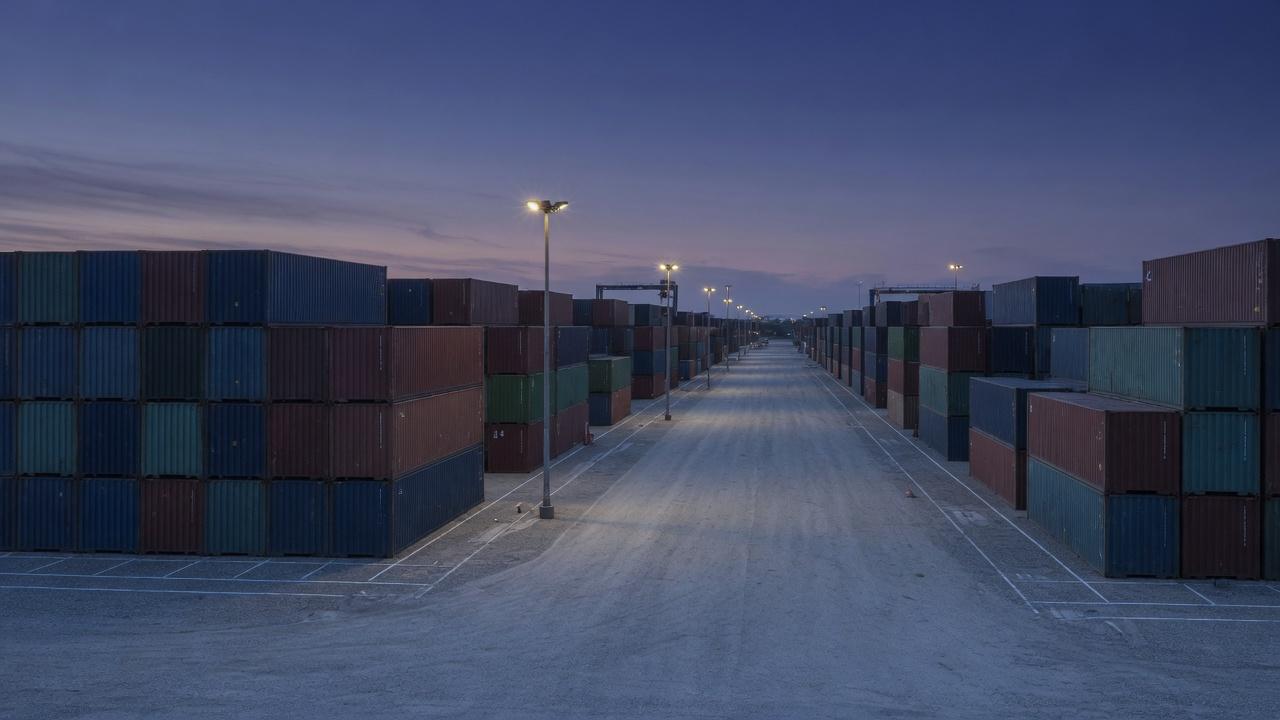
What is coming
Four technologies. One prerequisite.
Dockbase does not ship these capabilities as the product. It captures customer, configuration, depot, movement, and price as data, so those capabilities have somewhere to land.
Artificial intelligence
Assisted quoting, exception detection, and demand patterns require structured configuration, price, and history. Dockbase holds that record. It is not a chatbot added to email.
Robotics
Yard automation needs a reliable view of what is booked, what is free, and what must move. A self-service order layer is how that view is created, before equipment is on site.
Computer vision
Gate OCR and inventory location are later capabilities. They attach to movements and units that already exist as data. They do not replace a booking process that still lives in inboxes.
Connected equipment
Reefer monitoring and fleet sensors belong on rentals the customer can already see. Telemetry without a portal is another feed that goes unread.
Sequence
Self-service first. Automation second.
01
Move the conversation off email
Use case, configuration, price, and booking become a structured order. Unspectacular work. It is also the work that makes later technology real.
02
Give customers and staff the same picture
A portal for the customer. Yard, sales, and finance for the team. Status calls fall when both sides can see the unit, the movement, and the invoice.
03
Attach machines to that record
Vision at the gate, robotics in the stack, sensors on reefers, models on quoting: they consume data. Dockbase is how that data begins to exist.